

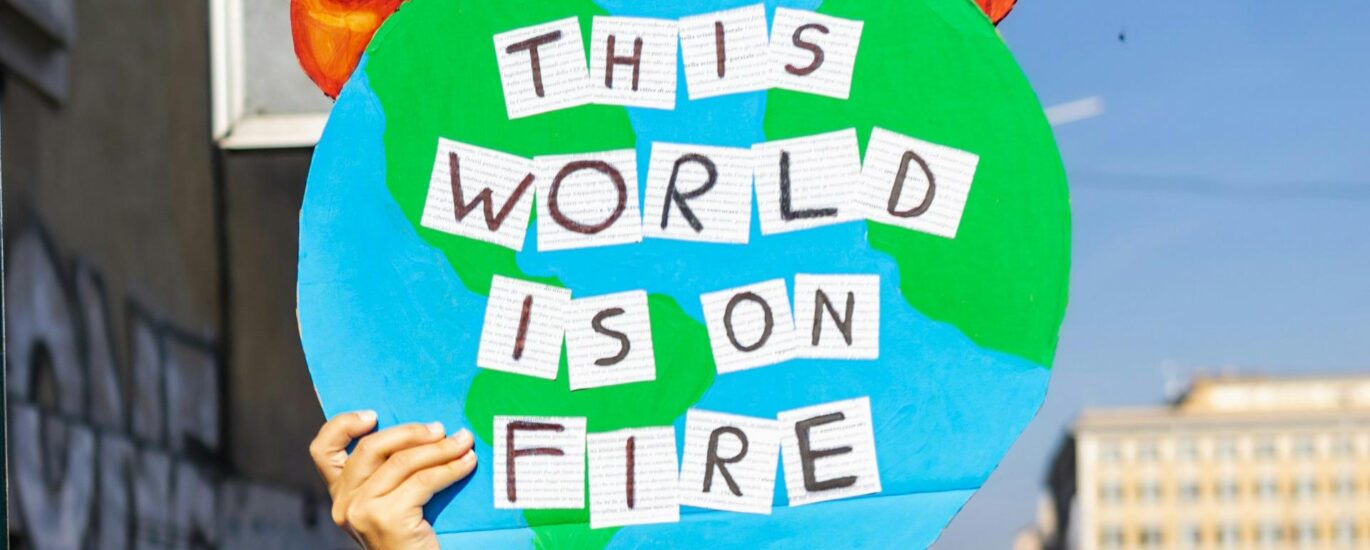
In an era marked by unprecedented challenges—widespread conflict, persistent famine, and the escalating threat of climate change—our world stands at a critical juncture. These issues, deeply interconnected and exacerbated by systemic inequalities and inefficiencies, demand a unified and decisive response. The establishment of a global government offers a promising pathway to address these pressing concerns. By rising up to uplift social disasters, we can forge a future defined by cooperation, sustainability, and shared prosperity.
Understanding Social Disasters
Social disasters, encompassing conflicts, famine, and environmental degradation, are not isolated incidents but rather symptoms of deeper systemic failures. Wars often stem from competition over scarce resources, political instability, and historical grievances. Famine, despite sufficient global food production, persists due to inequitable distribution, economic disparities, and inadequate infrastructure. Climate change, driven by unsustainable industrial practices and deforestation, threatens to exacerbate these issues, creating a vicious cycle of poverty and displacement.
The Role of Global Governance
A global government, equipped with the authority and resources to implement cohesive policies, can address these challenges more effectively than fragmented national efforts. By centralizing decision-making and fostering international cooperation, we can develop comprehensive strategies that tackle the root causes of social disasters.
Conflict Resolution and Peacebuilding
One of the primary benefits of a global government is its potential to mediate conflicts and promote peace. With a unified authority, disputes between nations can be resolved through diplomacy and dialogue rather than warfare. A global peacekeeping force, accountable to an international body, can intervene in conflicts to protect civilians and facilitate negotiations. Additionally, a global government can address the underlying causes of conflict, such as resource scarcity and economic inequality, through equitable policies and development initiatives.
Addressing Famine and Food Security
Famine is a solvable problem that requires coordinated action and resource allocation. A global government can implement policies that ensure food security for all, regardless of geographic or economic status. This involves investing in sustainable agricultural practices, improving infrastructure for food distribution, and addressing economic disparities that limit access to nutritious food. By leveraging technology and data analytics, we can monitor food production and distribution, predict shortages, and respond swiftly to emerging crises.
Combating Climate Change
Climate change is perhaps the most existential threat facing humanity. A global government can lead the charge in transitioning to renewable energy sources, implementing large-scale reforestation projects, and regulating industrial emissions. By setting binding targets for carbon reduction and enforcing sustainable practices, we can mitigate the adverse effects of climate change and protect vulnerable communities. Additionally, a global authority can facilitate knowledge-sharing and collaboration, accelerating the development of innovative solutions to environmental challenges.
Empowering Communities
While a global government provides the framework for addressing social disasters, the active participation of communities is essential for success. Empowering individuals and local organizations to take ownership of their development fosters resilience and sustainability.
Education and Awareness
Education is a powerful tool for uplifting communities and promoting social change. By investing in education, particularly for marginalized groups, we can equip individuals with the knowledge and skills needed to improve their lives and contribute to society. Awareness campaigns, focused on issues such as sustainability, health, and human rights, can foster a culture of responsibility and cooperation.
Economic Opportunities
Creating economic opportunities is crucial for reducing poverty and inequality. A global government can implement policies that promote fair trade, support small businesses, and invest in infrastructure development. By providing access to financial resources and markets, we can empower entrepreneurs and innovators to drive economic growth and create jobs.
Community-Led Initiatives
Community-led initiatives, such as cooperative farming, renewable energy projects, and local governance structures, can address specific needs and challenges. By supporting these initiatives, a global government can ensure that solutions are tailored to the unique contexts of different regions and cultures. This approach fosters a sense of ownership and pride, motivating communities to work together for the common good.
Overcoming Challenges
The establishment of a global government is not without challenges. Concerns about sovereignty, cultural differences, and the potential for misuse of power must be addressed to gain widespread acceptance and support.
Respecting Sovereignty and Diversity
A global government must be designed as a collaborative entity that respects the sovereignty and diversity of nations. Decision-making processes should be inclusive and transparent, ensuring that all voices are heard and considered. By recognizing and celebrating cultural differences, we can foster a sense of unity and shared purpose.
Ensuring Accountability and Transparency
To prevent the misuse of power, a global government must be held accountable through robust oversight mechanisms. Transparency in decision-making, regular audits, and independent monitoring can ensure that the system operates fairly and ethically. Additionally, public engagement and participation can foster trust and legitimacy, encouraging individuals to support and contribute to global efforts.
The rise of social disasters demands a bold and unified response. By establishing a global government and empowering communities, we can address the root causes of conflict, famine, and climate change. This approach requires a commitment to cooperation, sustainability, and shared prosperity, as well as a willingness to overcome challenges and embrace diversity. As we rise up to uplift social disasters, we forge a path toward a more just, equitable, and harmonious world. The time for action is now, and the future we create will be a testament to our collective will and determination.