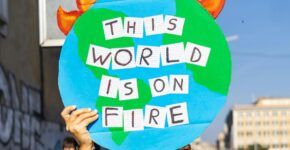


World unification is not a utopia, but a necessity to meet the existential challenges of our time. In an increasingly interconnected world, political, economic and cultural divisions prevent us from dealing effectively with global crises. War, inequality and environmental degradation are problems that transcend national borders. A united humanity would be better equipped to preserve life on Earth and ensure the well-being of every individual.
Global unification would enable more efficient management of the earth’s resources. Today, disparities in access to food, water and energy resources are glaring. Global governance could guarantee equitable distribution, thereby eliminating the root causes of conflict and forced migration. In addition, enhanced international cooperation would facilitate the implementation of sustainable solutions to climate change, protecting our planet for future generations.
Finally, global unification would foster a culture of peace and mutual understanding. By transcending cultural and linguistic barriers, we could build a society where every individual feels valued and respected. This global solidarity would be the foundation of a decent life for all, where everyone has access to education, healthcare and economic opportunities. In short, global unification is not just an ideal, but the best solution for a sustainable and harmonious future for mankind.