

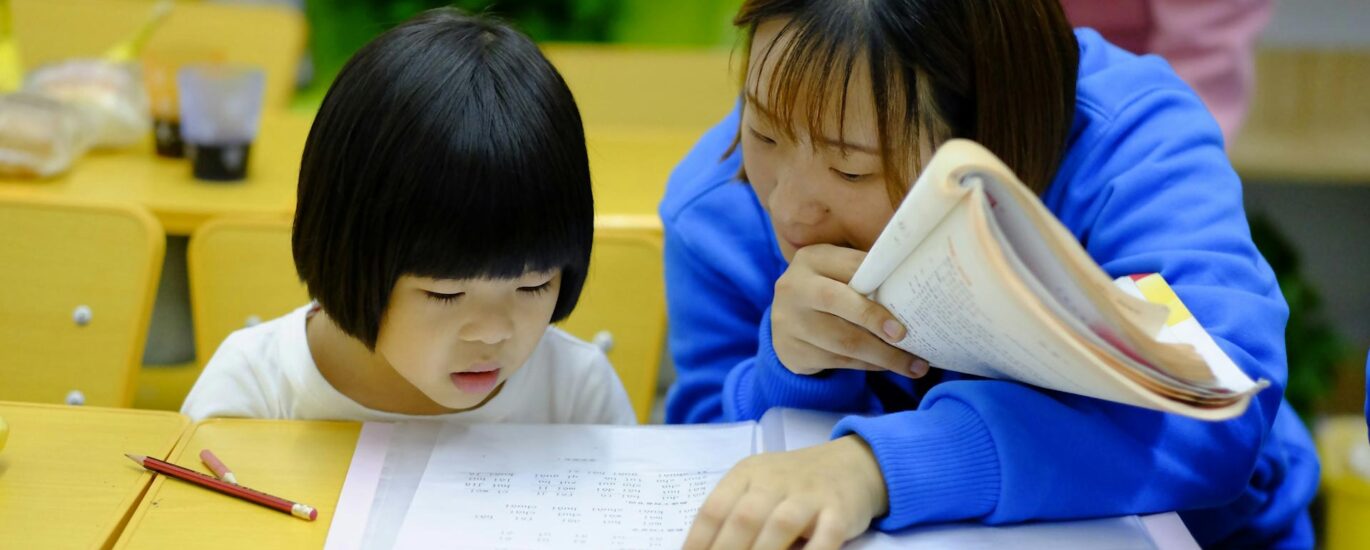
In a world marked by conflict and inequality, the idea of a global government aimed at solving the problems of war and famine may seem utopian. Yet, this vision is based on a fundamental principle: humanity must evolve toward a collaborative rather than selfish mindset. To achieve this, a profound reform of children’s education is essential. By integrating values of cooperation, empathy, and nonviolent communication from an early age, we can hope to build a more harmonious and supportive society
Selfishness: An Obstacle to World Peace
Selfishness, often perceived as an innate human characteristic, is in reality a behavior reinforced by our environment and education. In a society where competition is valued from school onward, individuals learn to prioritize their personal interests over the common good. This competitive mentality generates inequalities, conflicts, and a general mistrust of others.
To break this cycle, it is essential to rethink our educational system. Rather than emphasizing individual performance, we must encourage collaboration and mutual aid. Children must learn from an early age that their success is linked to that of others and that cooperation is the key to solving the complex problems of our world.
Nonviolent Communication: A Tool for Peace
Marshall Rosenberg, a psychologist and international mediator, developed a method of nonviolent communication (NVC) that aims to foster empathy and mutual understanding. NVC is based on four fundamental principles: observing facts without judgment, expressing feelings, identifying needs, and formulating clear and achievable requests.
Teaching NVC from adolescence would allow young people to develop essential skills for managing conflicts peacefully. By learning to express their feelings and needs constructively, adolescents could avoid misunderstandings and unnecessary tensions. Moreover, NVC fosters active listening and empathy, qualities indispensable for building harmonious relationships.
Adult Education: An Indispensable Complement
While educating children is crucial, we must not neglect adults. Current generations have been raised in a system that values competition and individualism. To create lasting change, it is essential that adults also learn to adopt collaborative behaviors and use NVC in their daily lives.
Workshops and training sessions could be set up to teach NVC to adults. These initiatives would create a positive dynamic within families, communities, and workplaces. By learning to communicate nonviolently, adults could become role models for younger generations and contribute to building a more peaceful society.
The Benefits of a Collaborative Society
A society founded on collaboration and empathy would offer many advantages. First, it would reduce conflicts and tensions, creating a safer and more stable environment. Second, it would foster innovation and creativity, as individuals would be encouraged to work together to solve problems.
Moreover, a collaborative society would be better equipped to address global challenges such as famine, climate change, and economic inequalities. By uniting their efforts, individuals could implement sustainable and equitable solutions to improve the quality of life for all.
Reforming children’s education is a crucial step toward creating a more collaborative and less selfish world. By integrating values of cooperation and teaching nonviolent communication from adolescence, we can hope to build a more harmonious and supportive society. However, for this change to be lasting, it is crucial that adults also adopt these principles in their daily lives.
By working together, we can create a future where peace and collaboration take precedence over conflict and individualism. This is an ambitious challenge, but with appropriate education and collective will, we can achieve it. The NGO I represent is committed to promoting these values and working toward a better world, where each individual contributes to the well-being of all.